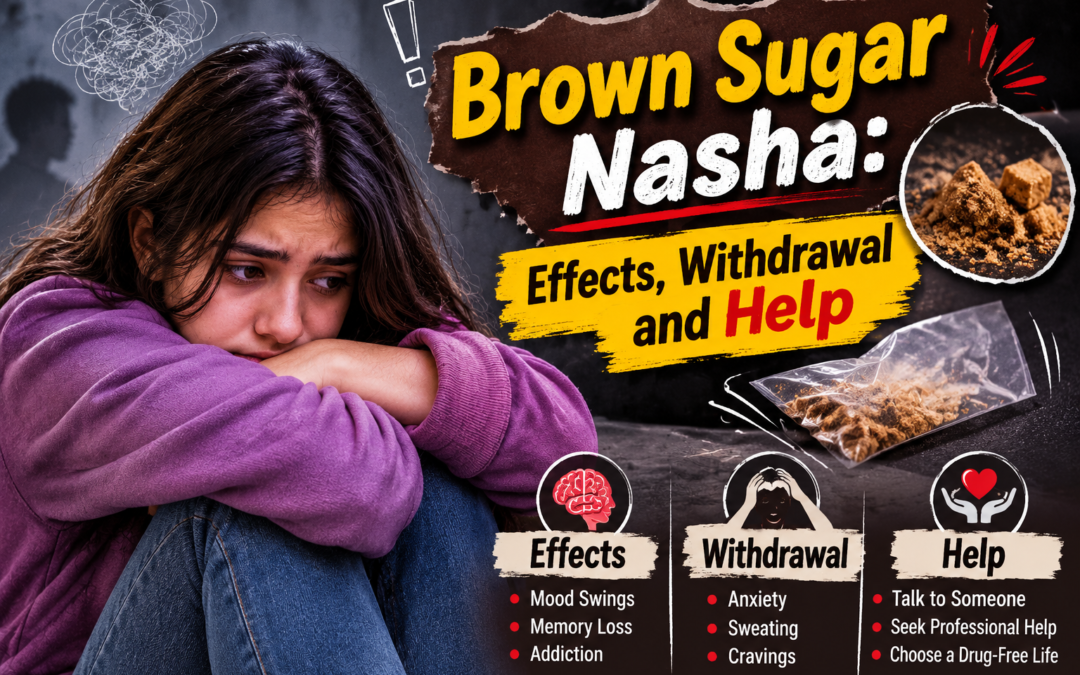
Street name: Brown sugar which refers to a dirty version of the opioid drug, heroin. People can become addicted to brown sugar and experience both physical and psychological effects. It can also be particularly dangerous and even result in fatal overdose. Medical professionals may provide people with advice, controlled detox and then offer counselling and further support for continued recovery. It should not be seen as shameful to require assistance with one’s health.
What Is Brown Sugar Nasha?
Brown sugar nasha is commonly associated with an illegal (street) heroin drug product. Due to the drugs being made illegally there is no consistent production process so the composition and potency of these can therefore differ. Likewise, a powder’s colour does not necessarily indicate if it is pure and/or safe.
Heroin interacts with the brain’s opioid receptors. These receptors are involved in controlling pain, as well as feelings of happiness and respiration. Continual heroin consumption may result in a person becoming both tolerant and physically dependent on the drug. Individuals may then require larger doses to achieve the same effects. Withdrawal symptoms may occur should a person cut down or cease their heroin use.
The term brown sugar addiction describes a pattern in which substance use becomes difficult to control and continues despite harm to health, relationships, finances or daily responsibilities.
What Are the Effects of Brown Sugar?
The effects depend on the substance’s actual contents, amount used, frequency of use and the person’s health. Possible short-term effects include:
- Drowsiness and reduced alertness.
- A feeling of relaxation or temporary euphoria.
- Nausea, vomiting and constipation.
- Itching, dry mouth and slowed reactions.
- Poor concentration and impaired judgement.
- Slowed breathing and reduced consciousness.
People can become more addicted to a drug. They can also become more tolerant and experience problems such as insomnia and isolation. Additionally, those who inject drugs are at greater risk of contracting HIV and hepatitis and other diseases if they share needles and/or injection paraphernalia.
When Is Brown Sugar Use an Emergency?
An opioid overdose can be life-threatening because opioids may suppress the part of the brain responsible for breathing.
Watch for these warning signs:
- The person cannot be woken up.
- Breathing is very slow, irregular or absent.
- Their fingertips or lips appear gray or blue.
- Their pupils are unusually small, or pinpoint.
- They make unusual choking or gurgling sounds.
If there is an overdose, contact emergency services. Administer naloxone if possible and obey those providing emergency care. Never abandon someone, and don’t assume that resting would reverse an overdose.
According to the World Health Organisation (WHO), symptoms of opioid overdose include respiratory depression, coma and miosis.
Brown Sugar Withdrawal: Symptoms and Timeline
Brown sugar withdrawal can begin when someone who has developed opioid dependence suddenly stops or significantly reduces use. The body has adapted to the substance, so its absence can cause uncomfortable physical and emotional symptoms.
Common withdrawal symptoms include:
- Muscle, joint and body aches.
- Sweating, chills and goosebumps.
- Runny nose, watery eyes and repeated yawning.
- Anxiety, irritability and restlessness.
- Insomnia and difficulty sleeping.
- Abdominal cramps, nausea and diarrhoea.
- Strong cravings for opioids.
People can experience opioid related problems soon after their last dose. Problems often worsen between one and three days post-dose (depending on the individual). Following resolution of some of the early physical symptoms people may still suffer from insomnia and/or depression as well as continuing drug craving.
Whilst opioid detoxification is rarely in itself life threatening, associated issues including severe dehydration due to vomiting and/or diarrhoea, can be. Medical advice should especially be sought if the individual has pre-existing medical problems, is pregnant and/or has taken a combination of drugs.
How Is Brown Sugar Addiction Treated?
Recovery is possible, and treatment should be based on the person’s health, substance-use history and individual needs. A healthcare professional may recommend:
- Medical assessment: A clinician evaluates physical health, dependence, mental health and possible complications.
- Supervised withdrawal management: Medical support can help manage symptoms and identify complications. Avoid attempting an unsupervised detox or using medicines without medical advice.
- Evidence-based treatment: Depending on the assessment, medicines such as buprenorphine or methadone may be considered for opioid use disorder. These treatments must be prescribed and monitored by qualified professionals.
- Counselling and psychological support: Individual counselling and behavioural therapies can help people understand triggers, manage cravings and develop healthier coping strategies.
- Continuing care: Follow-up appointments, family support, relapse-prevention planning and appropriate community services can support longer-term recovery.
Detoxification alone is not a complete treatment for dependence. Continuing care matters, and a return to substance use should prompt a review of the treatment plan rather than judgement.
Where Can Someone Find Support?
Individuals may consult medical professionals, psychiatrists and/or government-run hospitals or properly-registered de-addiction services. Family members can receive advice on the best ways of treating addition and on how to offer help without resorting to judgement.
If substance use is affecting your mood, anxiety or emotional well-being, India’s Paryas Foundation service offers mental health support through 9988199333. It is a counselling and referral service, not a substitute for emergency medical care or supervised opioid treatment.
Like whitener nasha, there are also significant risks from brown sugar and it should be assessed and managed by professionals where necessary. Awareness of the risks of various products can enable families to identify concerns and access suitable support.
Further information on related issues and heroin can be gained via our ‘smack addiction’ and ‘chitta nasha’ guides. See our ‘nasha mukti kendra’ guide to learn more about treatment facilities in the Punjab.
Take the First Step Towards Support
Brown sugar addiction can be successfully addressed. Professionals can assist in minimising related dangers and also support the individual through the process of detox. Help is not something that must be faced alone.
Our counsellor is available to explore with you, in a non-intrusive manner, options relating to both treatment and counselling.
Frequently Asked Questions
1. Is Brown Sugar Heroin?
In India, brown sugar is commonly used as a street name for an impure form of heroin. Its composition, purity and concentration can vary depending on how it is manufactured and mixed with other substances. Therefore, the name alone cannot establish its actual contents or strength.
2. How Long Does Brown Sugar Withdrawal Last?
Brown sugar withdrawal duration depends on the type of opioid used, frequency of use, dosage and an individual's overall health. Symptoms from short-acting opioids may begin within 6–12 hours, usually becoming more intense over the next 1–3 days. Physical symptoms often improve within 5–10 days, although cravings, sleep disturbances and psychological symptoms may continue for weeks or longer.
3. Can Someone Overcome Brown Sugar Addiction?
Yes. Brown sugar addiction can be treated with appropriate medical care, prescribed medications, counselling and ongoing recovery support. A qualified healthcare professional can assess the individual's condition and recommend a suitable treatment plan to manage dependence, reduce cravings and support long-term recovery.
4. Should I Try to Quit Brown Sugar Without Professional Advice?
No. It is advisable to seek professional medical guidance before stopping brown sugar use. Withdrawal can cause significant physical and psychological symptoms, and unmanaged symptoms may increase the risk of relapse. A doctor or addiction specialist can recommend supervised withdrawal management, appropriate medication and continued support.
5. What If Someone Has an Overdose?
Call emergency services immediately if someone shows signs of an opioid overdose, such as unconsciousness, very slow or stopped breathing, or pinpoint pupils with unresponsiveness. Administer naloxone if available and follow the emergency operator's instructions. Provide rescue breathing or CPR if trained, and stay with the person until medical help arrives. Do not assume they will recover without treatment.