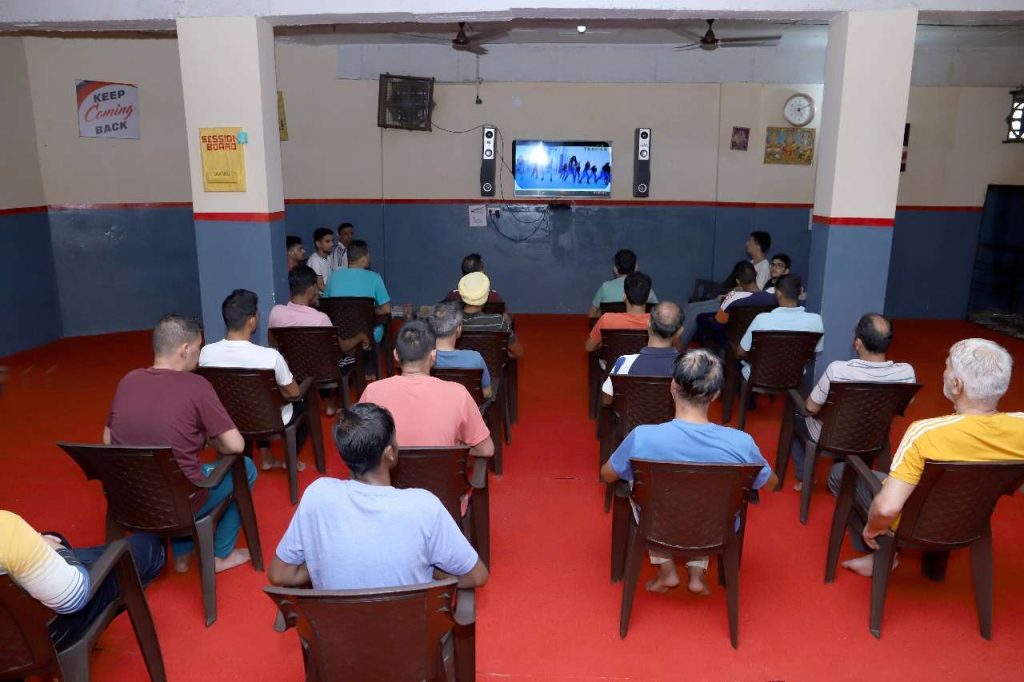
Addiction does not ask for permission. It moves quietly – through families in Malerkotla, through young men in their twenties, through fathers who once had everything together. If you are searching for a nasha mukti kendra in malerkotla, you are probably past denial and already asking the harder question: what does recovery actually require?
This guide answers that question honestly. You will learn what separates a centre that produces lasting sobriety from one that merely manages a short withdrawal. You will also understand what a recovering person and their family should expect at every stage – so you can decide with clarity, not panic.
What Addiction Recovery Really Involves – Beyond Detox
Most people believe detoxification equals recovery. Once the material is removed from the body, the issue is resolved. The National Drug Dependency Treatment Centre (NDDTC, AIIMS) in India has shown relapse rates of 40–60% within the first year for patients who receive detox alone, without systematic follow-up care. This belief explains why relapse rates are still stubbornly high.
Real recovery works in phases:
Phase 1 – Medical Detoxification (7–14 days): This is where withdrawal is managed safely. A trained medical team handles symptoms – which can be physically dangerous for alcohol and opioid dependence, using medically approved protocols.
Phase 2 – Rehabilitation (30–90 days): Therapy starts here. Cognitive Behavioural Therapy (CBT), group sessions, and one-on-one counselling address the reasons a person used substances in the first place. Without this phase, detox is temporary.
Phase 3 – Aftercare and Relapse Prevention: This is where most centers fail their patients. Aftercare means structured follow-up, weekly check-ins, support groups, family counselling — for at least six months post-discharge. The absence of aftercare is the single biggest predictor of relapse.
How to Evaluate a Nasha Mukti Kendra in Malerkotla
Not all centres are equal, and some are actively harmful. When you visit or call a centre, these are the non-negotiables to verify:
Medical Supervision Must Be Present
Not simply a general nurse, but a licensed psychiatrist or addiction medicine specialist must be present or on call. Seizures and cardiac events can result during alcohol, opioid, and benzodiazepine withdrawal. Cutting corners is not appropriate here.
Therapy Should Be Evidence-Based
Ask directly: does the centre use Cognitive Behavioural Therapy, Motivational Enhancement Therapy, or Twelve-Step Facilitation? If the answer is vague – “we do spiritual healing” and nothing more — treat it as a warning sign. Spirituality can complement evidence-based treatment, but it cannot replace it.
Transparency on Costs and Protocols
Reputable centres explain their fees, their discharge planning process, and their aftercare programme upfront. Centres that pressure families during a crisis without providing written treatment plans deserve scrutiny.
What Families Should Know Before Admitting a Loved One
Families often feel helpless – or guilty. Both reactions are understandable, and both can actually interfere with a person’s recovery if left unaddressed.
The Family’s Role Is Not to Fix; It Is to Support
Enabling behaviours – covering up for a person who is using, giving money without accountability, and absorbing emotional outbursts – are not kindness. They extend the addiction’s life. Good centres offer family education sessions, which you should specifically request.
Admission Is Not a Betrayal
In many communities across Punjab and Haryana, admitting someone to a rehabilitation centre still carries stigma. Families sometimes delay seeking help for months – even years – because of this. That delay has a cost. The earlier the evidence-based treatment begins, the better the outcomes.
Nasha Mukti Kendra Near Me: What Proximity Actually Matters For
Searching for a nasha mukti kendra near me makes practical sense – travel is a burden, and maintaining family contact during rehabilitation has documented benefits for recovery outcomes. However, proximity should not override quality.
A centre thirty minutes away that lacks a qualified psychiatrist is a worse option than one ninety minutes away that offers structured therapy, medically supervised detox, and a six-month aftercare plan.
That said, once quality criteria are met, proximity does matter for:
Family participation in therapy sessions
Ease of follow-up visits post-discharge
Reduced anxiety for the person in treatment (familiar surroundings, less dislocation)
When evaluating options near Malerkotla, check whether the centre is registered with Punjab’s Mental Health Authority and follows the Ministry of Social Justice and Empowerment guidelines for de-addiction centres. Registration is not a guarantee of quality, but its absence is a serious concern.
Conclusion: The Decision That Changes Everything
Recovery from drug or alcohol addiction is possible – but it requires a setting that takes the whole person seriously, not just the substance. A good nasha mukti kendra in Malerkotla will combine medical safety, evidence-based therapy, and a genuine aftercare plan. Anything short of that is not treatment; it is temporary management.
If you are ready to take the next step, ask any centre you consider these three questions before committing: Who is the supervising psychiatrist? What therapy model do you use? What does your aftercare programme look like after discharge?
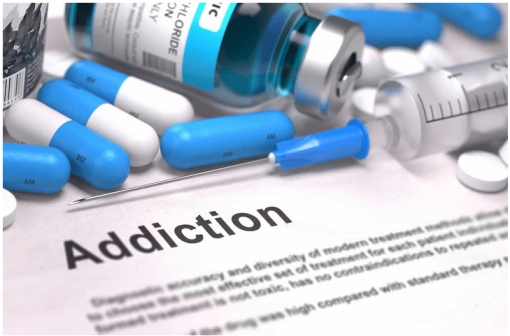
Drug addiction is a compulsive and chronic disorder of the mind that leads an individual to habitually use a substance in an effort to achieve a desired outcome from it — often the trademark high. Causes of Addiction, across America, around 20 million people who needed substance abuse treatment in 2013 didn’t receive it.
Signs of Addiction:
Trembling
Fatigue
Anxiety
Depression
Nausea, with or without vomiting
Excessive perspiration
Headache
Insomnia
Why do people take drugs?
There are no any specific reason of using Drugs. Everyone have its own reason. Just have a look at the various reasons young people have given for taking drugs.
To experiment
To rebel
To seem grown up
To fit in
To escape or relax
To relieve boredom
To mask particular emotions that they are going through
How to avoid addiction- When someone is struggling with Drug Addiction, it seems impossible for him to overcome it. But always remember nothing is impossible in this world, no matter how hopeless your situation seems. Change could be possible with the right treatment and support. So don’t quit. The road to recovery often involves lots of pitfalls and bumps.
One of the toughest step toward recovery is to decide to make a change. It’s normal to feel uncertain about whether you’re ready to make a change, or if you have what it takes to quit. It’s okay if you’re torn. We are here to help you at every step. Recovery requires time, motivation, and support, and it’s okay to consider your situation before you make the commitment to change.
Here are the steps to overcome your addiction.
Steps to Stave Off Addiction
You can’t control who your parents are, the choices they made or the community you grew up in, but you are not powerless. Here are a few precautions you can take to avoid a lifelong struggle with addiction:
Just Say No
The most obvious way to prevent addiction is to avoid drugs and alcohol. But it’s not always that simple. Because human beings are wired for pleasure-seeking and will always pursue quick relief from pain, the “just say no” approach has failed in the past and will continue to be only a partial answer to addiction prevention.
If you decide to drink alcohol, do so moderately (no more than one drink a day for most women and no more than two drinks a day for most men, according to the Centers for Disease Control and Prevention). While most people may be able to drink moderately without difficulty, those with a family history of addiction or other risk factors may find that their habit quickly escalates to heavy drinking or alcoholism.
Delay Alcohol Use
Research shows that alcoholism is more prevalent among those who begin drinking at an early age. Delaying alcohol use until age 21 or later may reduce the risk of alcohol-related problems in adulthood.
Limit Negative Influences
Both adolescents and adults are heavily influenced by their peers and their desire to fit in. Associating with people who abuse drugs or alcohol or who have accepting attitudes toward substance abuse increases the likelihood of drug abuse.
Manage Stress
Stress is one of the most commonly cited reasons for substance abuse. Rather than spiraling out of control, take steps to manage your stress before problems get out of hand. Exercise, meditate, or talk to a friend, spiritual advisor or therapist – whatever helps you unwind without relying on the temporary fix of drugs or alcohol.
Build Strong Relationships
A strong support system can be a strong protective factor against addiction. Whether you turn to friends, family, the community or a higher power, finding someone you can lean on can help you work through stress and other emotions without a chemical escape.
Know the Warning Signs
If you choose to drink or use drugs, stay alert to the signs of addiction, including withdrawal symptoms, tolerance, losing control, changes in diet, sleep or behavior patterns, abandoning activities you used to enjoy, and negative consequences related to your drinking. When in doubt, ask a therapist, rehab center or healthcare provider for an assessment to determine whether your drug use has become a problem.
Set and Work toward Goals
People who set realistic goals and actively work toward them are less likely to get sidetracked by drugs or alcohol than people who feel they are not achieving their goals or don’t have anything to work toward.
Get Treatment for Mental Illness
Substance abuse is strongly correlated with mental illness. If you struggle with depression, anxiety, a personality disorder or another psychiatric condition, seek help from a mental health professional rather than self-medicating with drugs or alcohol.
Even if your biology pulls you in one direction, you can alter your course by taking steps to safeguard yourself against addiction. Genetics account for an estimated 40 to 60 percent of the risk for addiction. That leaves another 40 to 60 percent for environmental and social factors that may be well within your control.
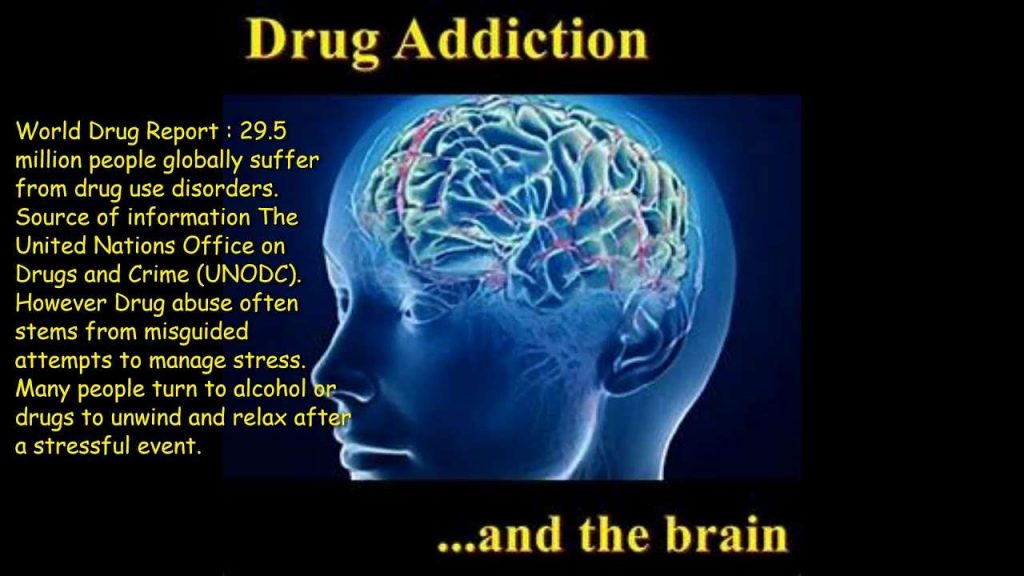
What is Drug Addiction- Addiction is a disease that affects your brain and behavior. When you’re addicted to drugs, you can’t resist the urge to use them, no matter how much harm the drugs may cause. Drug addiction isn’t about just heroin, cocaine, or other illegal drugs. You can get addicted to alcohol, nicotine, opioid painkillers, and other legal substances.
At first, you may choose to take a drug because you like the way it makes you feel. You may think you can control how much and how often you use it. But over time, drugs change how your brain works. These physical changes can last a long time. They make you lose self-control and can lead you to damaging behaviors.
Addiction vs. Abuse
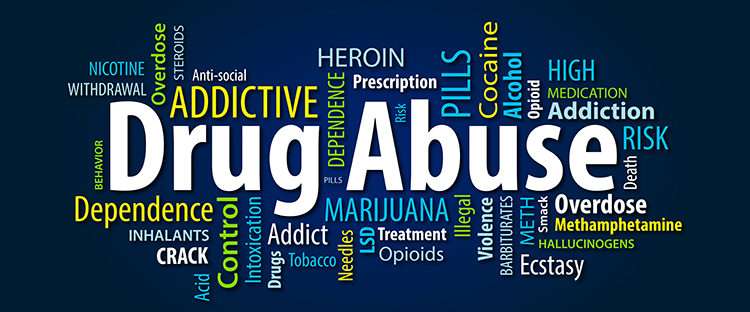
Drug abuse is when you use legal or illegal substances in ways you shouldn’t. You might take more than the regular dose of pills or use someone else’s prescription. You may abuse drugs to feel good, ease stress, or avoid reality. But usually, you’re able to change your unhealthy habits or stop using altogether.
Addiction is when you can’t stop. Not when it puts your health in danger. Not when it causes financial, emotional, and other problems for you or your loved ones. That urge to get and use drugs can fill up every minute of the day, even if you want to quit.
Effect on Your Brain
Your brain is wired to make you want to repeat experiences that make you feel good. So you’re motivated to do them again and again.
The drugs that may be addictive target your brain’s reward system. They flood your brain with a chemical called dopamine. This triggers a feeling of intense pleasure. So you keep taking the drug to chase that high.
Over time, your brain gets used to the extra dopamine. So you might need to take more of the drug to get the same good feeling. And other things you enjoyed, like food and hanging out with family, may give you less pleasure.
When you use drugs for a long time, it can cause changes in other brain chemical systems and circuits as well. They can hurt your:
Judgment
Decision making
Memory
Ability to learn
Together, these brain changes can drive you to seek out and take drugs in ways that are beyond your control.
Who’s Most Likely to Become Addicted?
Each person’s body and brain is different. People also react differently to drugs. Some love the feeling the first time they try it and want more. Others hate it and never try again.
Not everyone who uses drugs becomes addicted. But it can happen to anyone and at any age. Some things may raise your chances of addiction, including:
Family history. Your genes are responsible for about half of your odds. If your parents or siblings have problems with alcohol or drugs, you’re more likely as well. Women and men are equally likely to become addicted.
Early drug use. Children’s brains are still growing, and drug use can change that. So taking drugs at an early age may make you more likely to get addicted when you get older.
Mental disorders. If you’re depressed, have trouble paying attention, or worry constantly, you have a higher chance of addiction. You may turn to drugs as a way to try to feel better.
Signs of Addiction
You may have one or more of these warning signs:
An urge to use the drug every day, or many times a day.
You take more drugs than you want to, and for longer than you thought you would.
You always have the drug with you, and you buy it even if you can’t afford it.
You keep using drugs even if it causes you trouble at work or makes you lash out at family and friends.
You spend more time alone.
You don’t take care of yourself or care how you look.
You steal, lie, or do dangerous things like driving while high or have unsafe sex.
You spend most of your time getting, using, or recovering from the effects of the drug.
Drug Rehabilitation Centre in Parwanoo- Because of the competitive and stressful lifestyle, people are involving in the bad habit of taking drugs and alcohol. Everyone wants to gain more in less time. Thus to be stress-free they start taking drugs. But you no need to worry, because, at our De addiction centre in Punjab, we are offering following important and exceptional basic facilities:
Moreover, Our Nasha Mukti Kender in Parwanoo specially designed for the drug addicts and alcoholics. Having huge experience in the field we provide the facilities to make the patients feel at home.
Our psychologists and therapists conduct physical tests at regular intervals to maintain a proper record of their health conditions.
We have also special consultation sessions for the patients to consult them on their needs and requirements.
At our Drug Rehabilitation Centre in Parwanoo, we have special facilities for yoga and meditation programs. Our well-trained yoga trainers work hard leading the patients to stay fit physically and mentally as well.
At our drug rehabilitation centre, we have arrangements for outdoor and indoor games as well. There have managed vast grounds to play cricket, hockey, football, Volleyball and tennis court as well.
Moreover, we also conduct some important check-ups on daily basis. The mains are blood-sugar, blood-pressure, temperature, weight etc. to monitor the progress more effectively.
Apart from these, we have some other specialties such that gymnasium, fresh and healthy meals, purified drinking water, AC rooms etc. Same facilities are also available at our other centers.